


2026 and Beyond: How the Broker Role Is Changing
The insurance industry is entering a more demanding phase. Risk is evolving faster, clients are better informed, and decisions carry more long-term consequences than they used to. As 2026 comes into view, brokers are being asked to do more than place coverage. We’ve pulled together eight trends that reflect how leading brokerages are responding, where pressure is building, and what capabilities will matter most in the year ahead.
- Advisory Services Become the Core Value
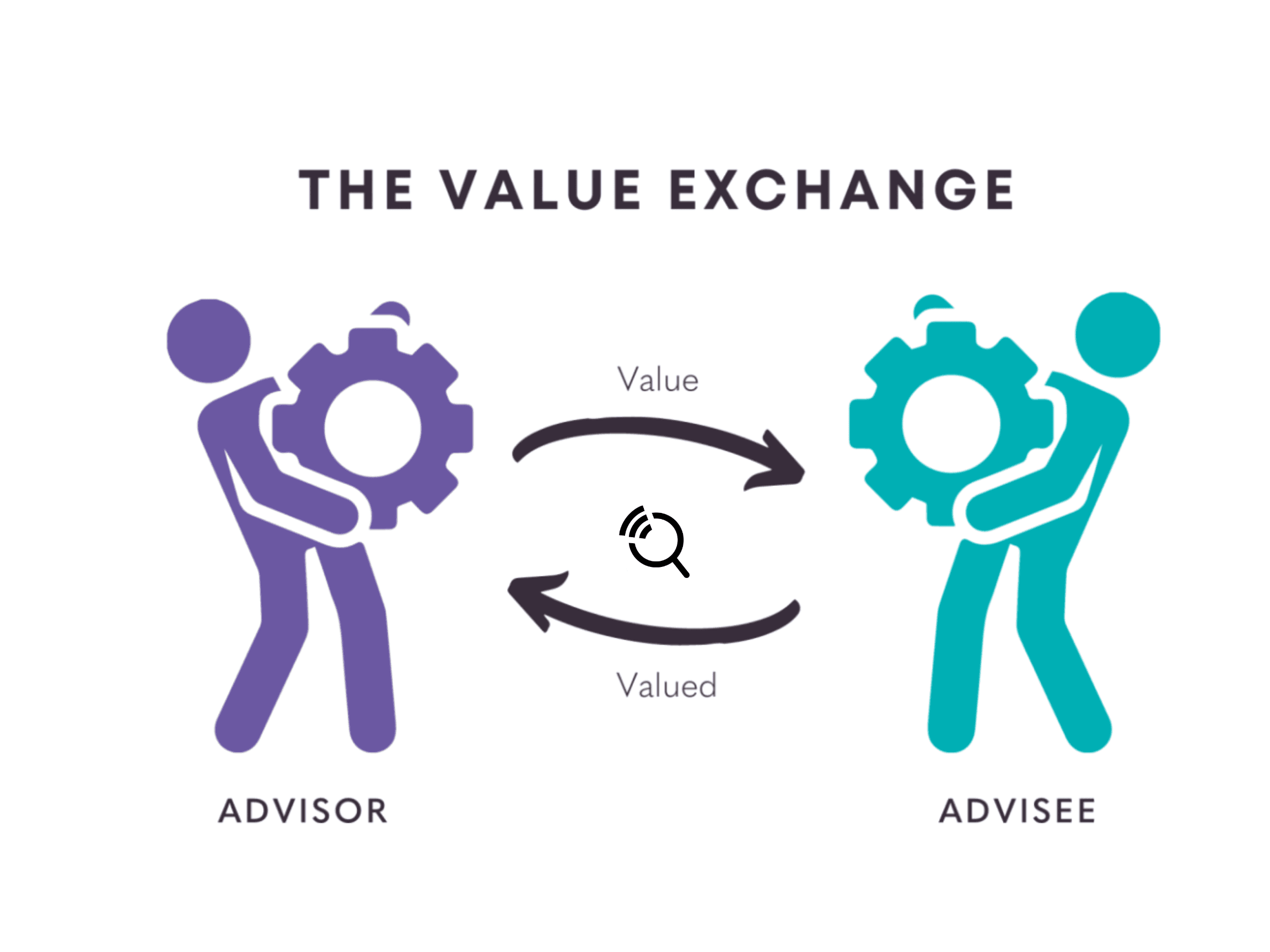
Clients now expect more than policy placement. With climate volatility, cyber risk, geopolitical instability, and supply-chain disruption, risk has become an ongoing conversation rather than a once-a-year renewal.
That shift is pulling brokers deeper into an advisory role, helping clients understand exposures and make informed tradeoffs.
What’s changing for brokerages:
- Advisory work can’t depend solely on individual experience or institutional memory
- Firms need consistent ways to identify exposures and document recommendations
- Risk insights must be easy to access, share, and apply across the entire book
- Carrier information and appetite need to live in one reliable place
Where technology fits:
- AI helps keep carrier and risk information current
- Patterns across accounts become easier to spot
- Prep work for client meetings is reduced
- Teams can deliver more consistent advice without losing focus on judgment and relationships
The result is a more scalable advisory model, where brokers spend less time hunting for information and more time applying context, experience, and trust.
- Digital Workflows Become Mandatory
Digital submissions, automated quoting, integrated CRMs, and self-service options are no longer differentiators. Clients expect them as part of standard service.
For brokerages, the real challenge isn’t adopting tools. It’s making them work together without adding friction.
Where execution breaks down:
- Digital tools without structure can create confusion and rework
- Inconsistent handling of submissions, renewals, and endorsements slows teams down
- Unclear ownership leads to missed steps and avoidable errors
What strong workflows provide:
- Clear expectations across the team
- Fewer handoffs and less rework
- Faster, more confident responses to clients
- Documented processes that scale as the business grows

Technology and AI can reinforce these workflows, but only when the foundation is solid. Brokerages that start with adaptable, well-designed processes are better positioned to scale service, manage growing digital touchpoints, and apply automation in ways that actually improve daily operations.
- Data and Analytics Reshape Placement
Underwriting decisions are increasingly driven by data, with carriers relying on more detailed models and tighter assumptions. To advocate effectively, brokers need comparable insight on their side of the table, not just intuition or past experience.
Analytics like loss modeling, peer benchmarking, and exposure analysis are becoming part of everyday placement, even in the mid-market and small commercial space. Brokers who can show how a client compares to similar risks, or clearly explain the impact of loss trends and mitigation efforts, are better positioned to influence outcomes and set realistic expectations.
This shifts analytics from a supporting role to a core part of the placement process. When data is embedded into workflows and easy to interpret, brokers spend less time assembling reports and more time translating insight into a clear narrative for both carriers and clients.
- New Insurance Products Create New Demand
Insurance is moving beyond traditional policies. Parametric coverage, embedded insurance, usage-based programs, and cyber add-ons are becoming more common across lines and industries.
As these options gain traction, brokers who understand where they fit can deliver advice that feels more relevant to today’s risks.
Why this matters for brokers:
- New products allow for more tailored solutions
- Clients need help understanding how newer coverages work
- Comparing options across carriers creates opportunities to stand out
- Product knowledge can open the door to new revenue, not just renewals
What separates leaders from followers:
- Explaining coverage choices clearly, not just presenting them
- Matching emerging products to real client needs
- Supporting ongoing learning across the brokerage
- Providing structured guidance instead of relying on ad-hoc expertise

As innovation continues, success will depend less on volume and more on helping clients navigate choice. Brokerages that invest in shared learning and product clarity are better positioned to turn emerging coverage into lasting client value.
Margin Pressure Increases
Margin pressure is increasing across the brokerage landscape. Softer P&C market conditions, rising operating costs, and competition from direct-to-consumer channels are narrowing room for error.
Addressing this isn’t about pushing teams to do more. It’s about making deliberate choices around how service is delivered. Brokerages that define clear service models, focus on retention, and segment clients based on complexity and value are better positioned to protect profitability without sacrificing experience.
Automation and AI support this shift by reducing manual work, improving turnaround times, and bringing more clarity to where effort is best spent. When brokerages can consistently identify which clients require deeper advisory engagement and which can be served through more standardized processes, efficiency becomes a strategic advantage rather than a cost-cutting exercise.

- Talent Shortages Hit Harder
The insurance talent gap has been discussed for years. By 2025, it was already clear that retirements were accelerating, fewer young professionals were entering the industry, and technical demands were rising. No one expected the issue to disappear in 2026.
(For a deeper look at how this played out in 2025, see Bridging the Gap: The Talent Crisis That Could Redefine Insurance in 2025.)
What has changed is tolerance.
Brokerages no longer have time for long ramp-ups or knowledge concentrated in a few senior producers. Work is more complex, expectations are higher, and informal knowledge transfer no longer scales.
The focus is shifting from hiring to enablement.
- New producers need structure from day one
- Documented processes replace informal shared knowledge
- Embedded prompts and AI-supported workflows act as guardrails
- Fewer mistakes, faster confidence, more consistency
The talent gap isn’t new. The consequences of ignoring it are.

Cyber Becomes Unavoidable Inside Brokerage Operations
Cyber has moved from a niche line to a daily reality. Brokers are expected to explain how controls affect coverage, why exclusions exist, and what makes an account insurable. That requires real fluency, not just policy familiarity.
At the same time, brokerages themselves are targets. They hold sensitive client data, move money, and sit in the middle of transactions.
Pressure is coming from both sides:
- Carriers expect strong internal security from brokers
- Data handling and sharing practices now affect underwriting outcomes
- Informal cyber habits can slow placements or raise concerns
Clients are paying attention too:
- They expect brokers to model the cyber discipline they’re being advised to adopt
- Secure communication and clear explanations build trust
Consistent guidance reinforces credibility

Brokerages that treat cyber as both an internal discipline and an advisory capability reduce operational risk while strengthening relationships with carriers and clients.
- AI Finds Its Real Role
The AI hype has cooled, and what remains is far more practical. AI isn’t replacing brokers. It’s supporting the parts of the job that matter most by taking on repetitive work, surfacing useful signals, and improving preparation.
That frees brokers to focus on advising, explaining, and anticipating client needs.
Where AI actually delivers value:
- Reducing manual, repetitive tasks
- Highlighting patterns across data
- Supporting faster, more confident preparation
The real limiter isn’t the technology. It’s the foundation. AI only works when processes are clear, and data is consistent. Firms without documented workflows or clean inputs won’t see much impact.
As 2026 approaches, this is where AI makes a difference. Used well, it raises service quality without changing the human core of brokerage work.
Where This Leaves Brokerages
In 2026, the strongest brokerages won’t win on price or speed alone. They’ll win by being clear, prepared, and easy to work with. Fewer surprises, better explanations, and consistent execution across submissions, renewals, and claims will set them apart.
Firms that invest in clarity, process discipline, and internal capability will absorb volatility better and earn more trust when conditions tighten. This is how brokerages move from reacting to the market to shaping outcomes for their clients. The winners won’t chase every change; they’ll be ready for it.
If you want to be ready rather than reactive, book a demo with us. We’ll show you how to turn these shifts into practical improvements that strengthen advisory work, reduce friction, and help your team move forward with confidence.